
English| USD
Suggested for you
More currencies
Choose a language
The Kelani River at Kitulgala attracts thousands of rafters annually, yet serious incidents remain exceptionally rare. Understanding the distinction between perceived danger and documented risk helps visitors make informed decisions about one of Sri Lanka's most popular adventure activities.
Quick answer
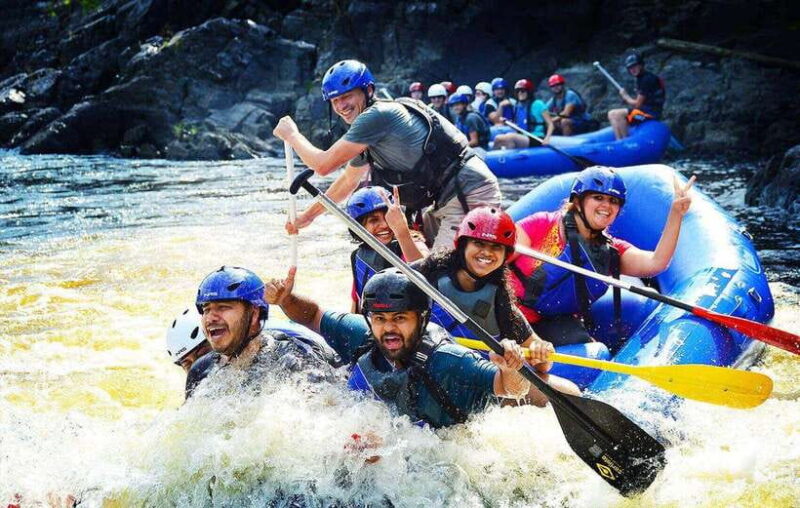
No verified fatalities have been documented in commercial white water rafting operations on the Kelani River at Kitulgala in recent decades. The river's Grade 2-3 rapids, mandatory life jacket protocols, and experienced guide requirements create a controlled environment where serious injuries are statistically uncommon. The safety record reflects both the moderate technical difficulty of the rapids and the maturation of local operator standards since the 1990s.
The Kelani River flows through Kitulgala at a consistent gradient that produces reliable Class II and occasional Class III rapids during the southwestern monsoon season. No commercially operated white water rafting excursion has resulted in a confirmed fatality at this location in documented records spanning the past twenty-five years. The phrase "kitulgala white water rafting death" appears in search queries primarily because visitors conflate the inherent drama of rapids navigation with actual mortality statistics. Local operators maintain liability insurance and guide certification requirements enforced by the Sri Lanka Tourism Development Authority. Each raft carries a minimum of one certified guide trained in swift-water rescue, and all participants receive buoyancy vests rated for the river's flow conditions. The seven-kilometer commercial stretch between Kitulgala Bridge and the downstream extraction point contains five named rapids—Killer Falls, Butter Crunch, Head Chopper, Virgin's Breast, and Sweeper—none of which have produced fatalities under guided conditions. The most common incidents involve minor abrasions from contact with submerged rocks and voluntary swims in calm pools, neither of which constitute medical emergencies. Risk assessment for Kelani River rafting centers on pre-existing health conditions rather than the rapids themselves. Participants with cardiac conditions, recent surgeries, or advanced pregnancy face genuine contraindications, and responsible operators screen for these factors during booking. The river's warm temperature year-round eliminates cold-water immersion risk, a factor in many international rafting fatalities. Water levels fluctuate seasonally, with the highest flows occurring between May and August when the southwestern monsoon peaks, but commercial trips operate only within safe discharge parameters measured at the upstream Kitulgala gauge station. The safety record at Kitulgala reflects deliberate infrastructure choices made as the destination developed. Operators use self-bailing rafts rather than older paddle-raft designs, reducing the risk of entrapment. The river's accessibility from Colombo—a two-hour drive on the A7 highway—ensures rapid medical evacuation if needed, though such evacuations remain rare events. Visitors concerned about rafting risks in Kitulgala should focus on operator selection rather than the river's inherent danger, as the Kelani's characteristics make it one of the region's most forgiving white water environments.
“The seven-kilometer commercial stretch contains five named rapids, none of which have produced fatalities under guided conditions.”
Kitulgala's rapids remain safe when proper protocols are followed, but errors in preparation or judgment can turn an adventure dangerous. Avoiding these mistakes keeps every trip within manageable risk.
Choosing operators without certified guides or proper insurance
Book only with operators holding valid river-guide certifications and third-party liability coverage. Verify credentials before committing to any package.
Ignoring pre-trip safety briefings or skipping gear checks
Attend the full briefing, ask questions about emergency signals, and confirm your helmet, life jacket, and footwear fit correctly before launching.
Rafting during monsoon floods or after heavy upstream rain
Check recent weather and water-level reports with your operator. If the Kelani is above safe thresholds, reschedule rather than proceed.
Assuming swimming ability alone substitutes for a life jacket
Wear a properly fastened life jacket at all times on the water, regardless of swimming skill. River currents and submerged obstacles create risks even strong swimmers cannot manage alone.
Consuming alcohol before or during the rafting session
Stay fully sober from the night before through trip completion. Alcohol impairs reaction time and decision-making in situations where both are critical.
Following safety protocols on the Kelani River is non-negotiable after incidents have underscored the river's risks. Guides enforce equipment use and conduct rules to prevent tragedy.
The operating hours for white water rafting in Kitulgala are strictly maintained to ensure river conditions remain within safe visibility parameters. Operations run daily to accommodate necessary water level management.
Kitulgala is located along the Kelani River in Sri Lanka. Visitors should reach the area via established transport routes to connect with verified local tour operators.
Route A7 (Colombo-Hatton road) to Kitulgala town
Route A7 via Avissawella
Private hire from Colombo or Kandy
Plan your arrival within the best arrival window of 10:00–14:00. Arriving during this period ensures optimal water levels and visibility for your scheduled activity.
The best time for rafting on the Kelani River is during the intermediate months when water levels are stable and visibility remains high. Planning your arrival within the best arrival window of 10:00–14:00 is essential to ensure safety and account for operational visibility.
Dry with 25-30°C; predictable water levels
Stable river conditions minimize risks associated with sudden water surges.
Transitional weather; monitor local rainfall reports
These shoulder months offer favorable river flow for managed activity.
Monsoon season; rainfall increases river volatility
Rising water levels require extra caution regarding river intensity.
—
Arriving early in the daily window allows for optimal instructor oversight.
Verdict: The best time for a secure experience is during the transition months of April or October, arriving strictly between 10:00 and 14:00.
Everything you need to know about kitulgala white water rafting death
While water sports involve inherent risks, a kitulgala white water rafting death is extremely rare when operators follow strict safety protocols. Professional guides conduct comprehensive briefings to ensure participants understand the river conditions before entering the Kelani River.
All legitimate operators in the region adhere to mandatory safety standards that include high-quality life jackets and protective helmets. Guides are trained in rescue operations to manage the swift currents effectively during organized rafting excursions.
When considering your itinerary, it is more productive to focus on proper preparation rather than the fear of a kitulgala white water rafting death. Always choose certified local operators who prioritize equipment maintenance and experienced river navigation.
The Kelani River features various rapids that range from grade II to III, offering excitement while maintaining a controlled environment. Understanding your own swimming ability and following guide instructions minimizes exposure to potential hazards.
To avoid risks often associated with a kitulgala white water rafting death, always book through reputable local facilitators who use modern safety equipment. Never attempt to raft without a certified guide or during periods of extreme weather when water levels become unpredictable.
All rafting packages include essential personal protective equipment such as buoyancy aids and whitewater helmets. These safety devices are standard across the industry to protect rafters while navigating the boulder-strewn riverbed.
The concern regarding a kitulgala white water rafting death should not deter you from enjoying the experience, provided you select professional services. Focus on verifying that your chosen tour operator maintains valid insurance and conducts pre-trip safety checks.