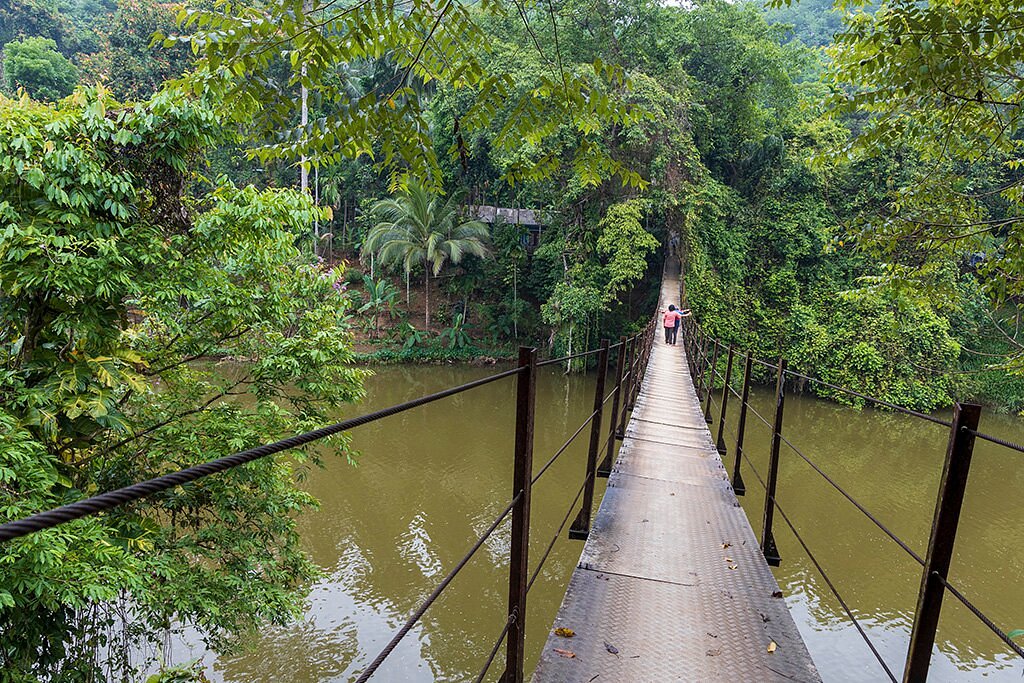
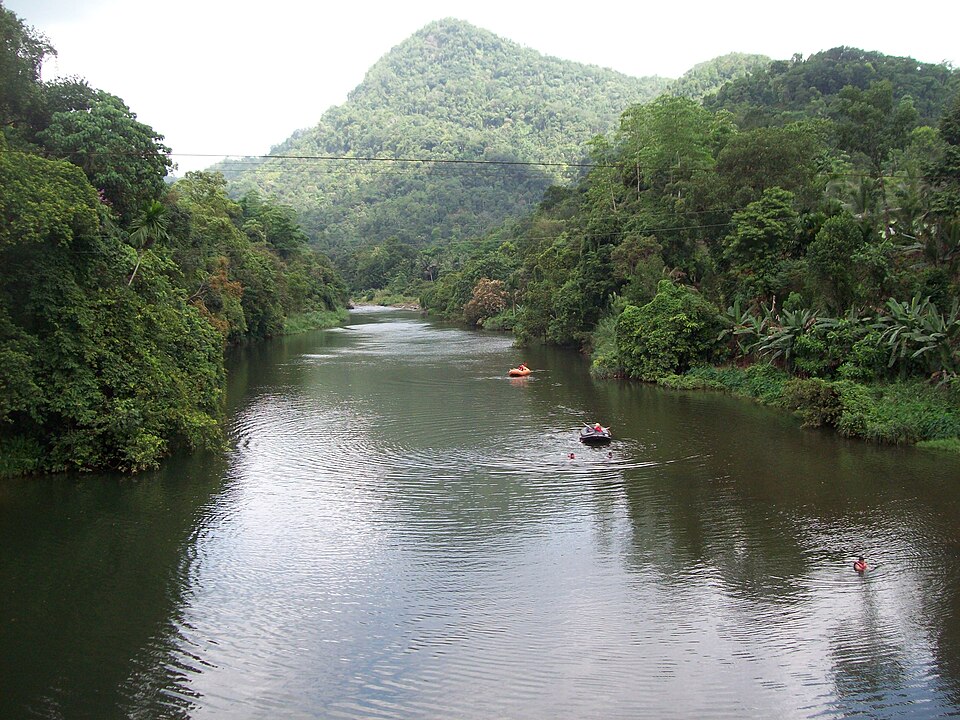
Kelani River Suspension Bridge
09:00 to 11:00
Capture wide shots of the river winding through the jungle from this elevated pedestrian vantage point.

The Kelani River's white water runs through jungle gorge and shallow rock garden, creating split-second framing challenges for anyone holding a camera. Morning light filters through canopy, midday sun flattens contrast, and afternoon shadows carve definition into every wave train—each window changes what your lens can resolve.
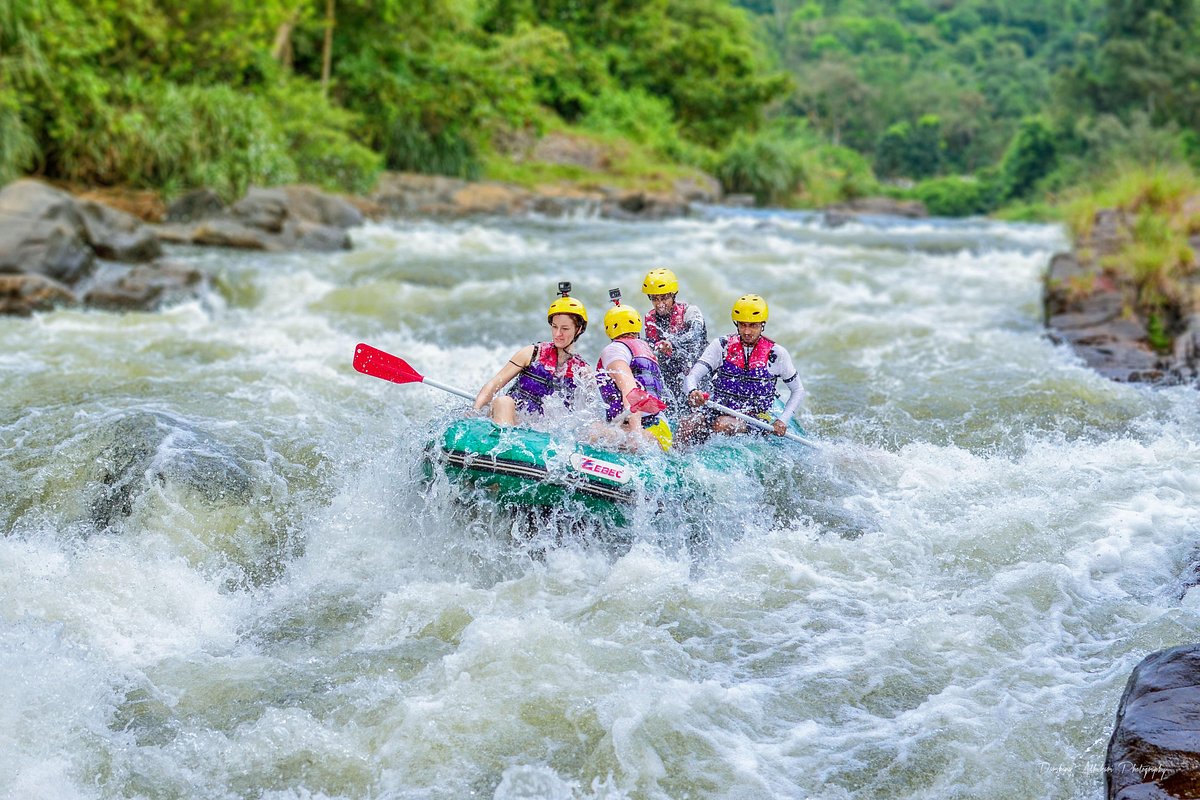
Quick answer
Kitulgala water rafting photos work best between 09:30 and 11:00, when diffused light reduces harsh reflections off spray and the river's greenish tint reads neutral. Waterproof housings rated IPX8 or higher handle submersion during Grade 2-3 rapids. Shutter priority mode at 1/500s minimum freezes paddle motion; continuous autofocus tracks moving rafts through turbulent sections. GoPro users mount chest rigs for paddle-level perspective and set 4K60 to allow frame extraction later.
Sixty percent of first-time rafters on the Kelani River return home with blurred paddle shots or overexposed spray clouds because they treat white water like a landscape. The river moves through seven major rapids over five kilometers, each lasting eight to fifteen seconds—enough time to capture two or three sharp frames if the camera is pre-configured and the photographer anticipates the line the raft will take. Rafting photography in Kitulgala divides into two approaches: onboard action and bank-side composition. Onboard shooters need waterproof housings, wrist lanyards, and shutter speeds fast enough to freeze a paddle mid-stroke against churning water. Chest-mounted action cameras solve the handling problem but flatten depth; handheld mirrorless or compact cameras in dive housings allow compositional control but require one hand off the paddle. Bank-side photographers position along rocky outcrops near Butter Crunch and Head Chopper rapids, where the river bends and rafts pass within six meters of the shore. A 70-200mm lens compresses the gap between raft and boulder, making calm sections look tighter than they are. Light shifts dramatically as the sun arcs overhead. Early morning rays penetrate the canopy at oblique angles, backlighting spray and creating rim highlights on helmets and lifejackets. By noon, vertical sunlight washes out contrast, turning white water into featureless glare; polarizing filters recover some saturation but cannot restore lost shadow detail. Late afternoon sidelight—available until roughly 15:30 before the gorge walls block the sun—sculpts texture into wave crests and separates foreground rafts from the jungle backdrop. Kelani River water carries silt during monsoon months, shifting from clear green to murky brown and requiring white balance adjustment or post-processing to restore skin tones. Capturing rafting action shots demands anticipation rather than reaction time. Rapids announce themselves thirty meters upstream with audible turbulence; photographers track the raft's approach, pre-focus on the impact zone, and fire a three-frame burst as the bow dips into the trough. Continuous autofocus systems hunt in spray; single-point manual focus locked on a fixed rock often yields sharper results. The best frames show paddle angle, facial expression, and water displacement simultaneously—a combination that occurs only at the peak of each stroke, roughly twice per second. Operators allow cameras on rafts but assume no liability for water damage or loss. Most provide dry bags for valuables during transit between rapids, but photographers shooting from the raft keep gear tethered and accessible throughout the descent.
“Early morning rays penetrate the canopy at oblique angles, backlighting spray and creating rim highlights on helmets and lifejackets.”
09:00 to 11:00
Capture wide shots of the river winding through the jungle from this elevated pedestrian vantage point.
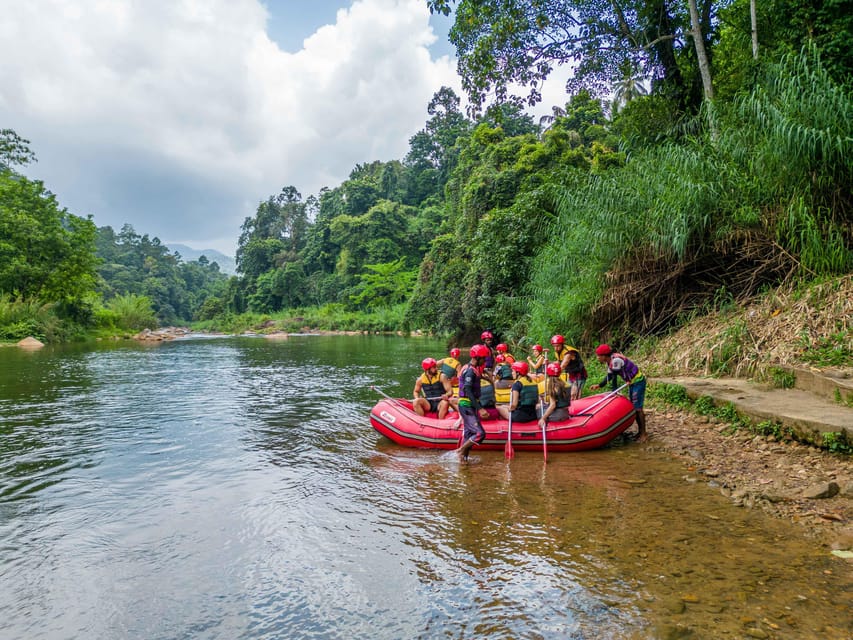
09:00 to 14:00
Position yourself on the riverbank to photograph groups launching their rafts into the initial rapids.
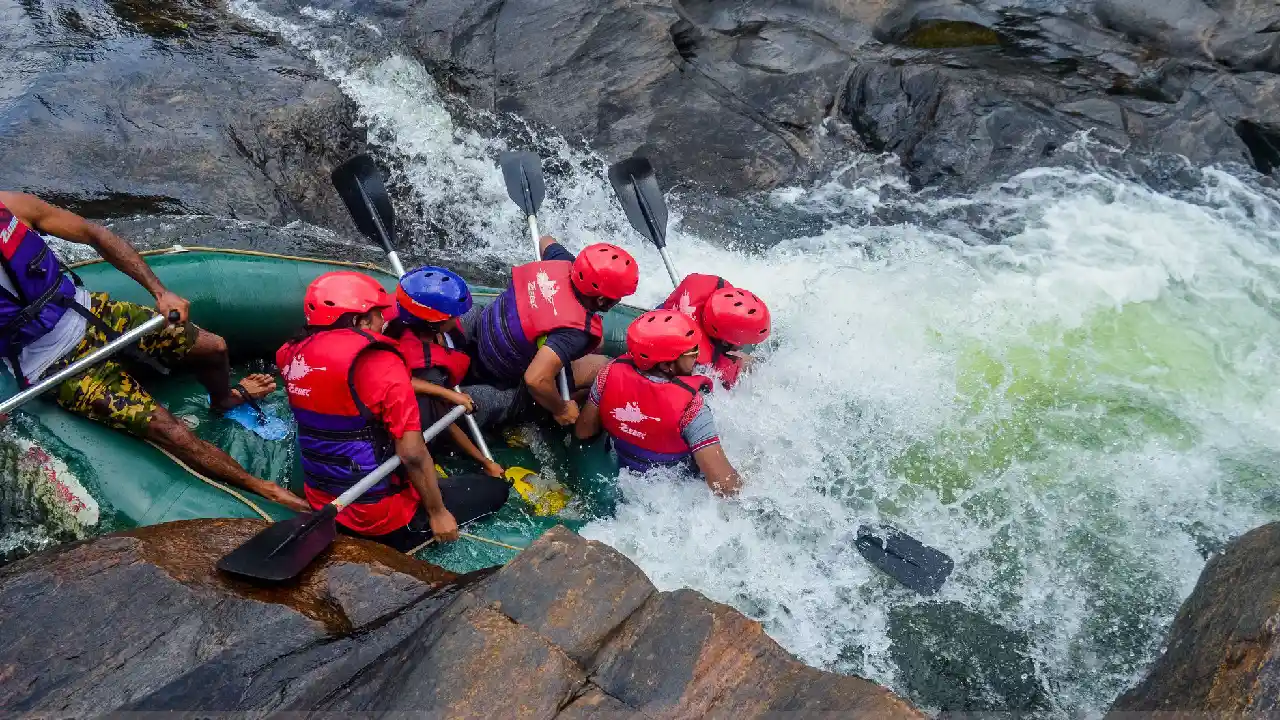
10:00 to 13:00
Use a fast shutter speed to capture the water splash and team coordination during the main river rapids.
09:00 to 14:00
This spot offers a clear view of the raft navigating a sharp curve surrounded by dense rainforest foliage.
The best arrival window is 09:00–14:00, which ensures optimal water levels and consistent daylight for capturing high-quality photographs of the rapids. Visiting within this timeframe allows for safer navigation of the Kelani River while securing the clearest natural light for your camera.
Dry season, 24°C–30°C; provides reliable sunlight for sharp, high-contrast action shots of rafting groups.
Pre-monsoon, 25°C–31°C; increased water flow creates dynamic white-water conditions for dramatic photography.
Monsoon season, 23°C–28°C; rainfall can impact visibility, though it increases river volume for energetic shots.
—; these hours offer the clearest river conditions and the fewest participants in the background of your compositions.
Verdict: For the best balance of light and water safety, plan your visit between 09:00–14:00 during the drier months of January to March.
The rafting operations in Kitulgala are open daily to accommodate visitors seeking photography opportunities along the river. These consistent hours ensure access throughout the week.
Accessing the river area at Kitulgala is free of charge for visitors. Costs for rafting activities are determined by the specific tour packages arranged through authorized operators.
Verdict: While river access costs 0 USD, visitors pay for organized tour packages which vary based on the service provider and inclusions.
Kitulgala is located in the Sabaragamuwa Province, accessible primarily via the A7 highway connecting Colombo and Nuwara Eliya. Travelers commonly reach the rafting sites in Kalukohothenna by road.
A7 Highway (Colombo-Avissawella-Hatton road)
Route 69 (Colombo to Hatton) to Kitulgala town
Private hire from Bandaranaike International Airport (CMB)
If arriving by bus, disembark at the Kitulgala town center and arrange a short local tuk-tuk ride to reach the specific rafting launch points in Kalukohothenna.
Everything you need to know about kitulgala water rafting photos
You are encouraged to document your experience, though keeping equipment secure is essential while navigating the Kelani River rapids. Most visitors prefer using waterproof gear to capture their kitulgala water rafting photos without risk of water damage.
Securing a GoPro or a waterproof action camera to a helmet mount is the most effective method for clear shots. Relying on an experienced guide to help frame your kitulgala water rafting photos ensures you capture the action while focusing on safety.
Entry to the river area itself is 0 USD, meaning you do not pay for access to the location for your kitulgala water rafting photos. However, individual rafting tour packages, which provide the necessary safety gear and transport, involve separate fees.
While we do not provide booking services for photographers, many tour operators can arrange for a professional to join your group for your kitulgala water rafting photos. This allows you to focus on the whitewater experience while someone else manages the equipment.
The best arrival window for soft, natural lighting and ideal river conditions is 09:00–14:00. Arriving during these hours ensures you have enough daylight to navigate the rapids and frame your whitewater rafting images correctly.
Bringing sensitive electronic equipment on the boat is not recommended unless it is professional-grade waterproof gear. Most travelers find that using a dedicated action camera mount is much safer than holding a mobile phone during the rafting descent.
To get the best results, bring a waterproof camera housing or a floatable strap for your device. Proper preparation ensures you return home with high-quality adventure snapshots of the river scenery and your team in action.